
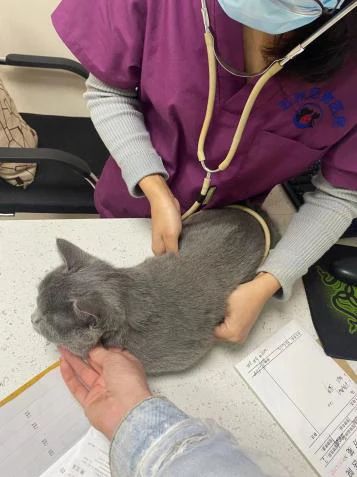
Feline Infectious Peritonitis (FIP) was once considered a death sentence for cats, but recent medical advances have transformed it into a treatable condition. This article provides comprehensive information about FIP and current treatment protocols.
What is FIP?
FIP is caused by a mutation of the feline coronavirus (FCoV). While most cats carrying FCoV remain healthy, in some cases the virus mutates, leading to FIP. The disease manifests in two primary forms:
Wet (Effusive) FIP:
-
Characterized by fluid accumulation in body cavities
-
Symptoms include abdominal distension, difficulty breathing, and lethargy
-
Typically progresses more rapidly than dry FIP
Dry (Non-effusive) FIP:
-
Involves granulomatous inflammation in various organs
-
May cause neurological symptoms and eye inflammation
-
Often presents with more subtle, chronic symptoms
Diagnostic Approach
Accurate diagnosis requires multiple diagnostic tools:
-
Blood tests showing low albumin-to-globulin ratio
-
PCR testing for feline coronavirus
-
Fluid analysis from effusions
-
Advanced imaging (ultrasound/MRI)
-
Treatment Revolution: GS-441524
GS-441524, a nucleoside analog, has revolutionized FIP treatment with success rates exceeding 85%. Available in both injectable and oral forms, it works by inhibiting viral replication.
Treatment Protocol:
-
Standard duration: 84 days of treatment
-
Dosage: 6-10 mg/kg daily, adjusted based on disease severity
-
Monitoring: Regular blood tests and clinical assessments
Why Treatment Works:
-
Early intervention significantly improves outcomes
-
Consistent daily administration is crucial
-
Supportive care enhances recovery
-
Close monitoring allows for dosage adjustments
Prevention and Management:
-
Reduce stress in multi-cat households
-
Maintain good overall health
-
Regular veterinary check-ups
-
Prompt attention to any health changes
The development of effective FIP treatments represents a major breakthrough in feline medicine, offering hope to cats and their families worldwide. With proper diagnosis and treatment, most cats can achieve complete recovery and enjoy normal, healthy lives.